

Our Research From agricultural waste to water risk - Nitrosamine formation in Laguna Lake (Philippines)
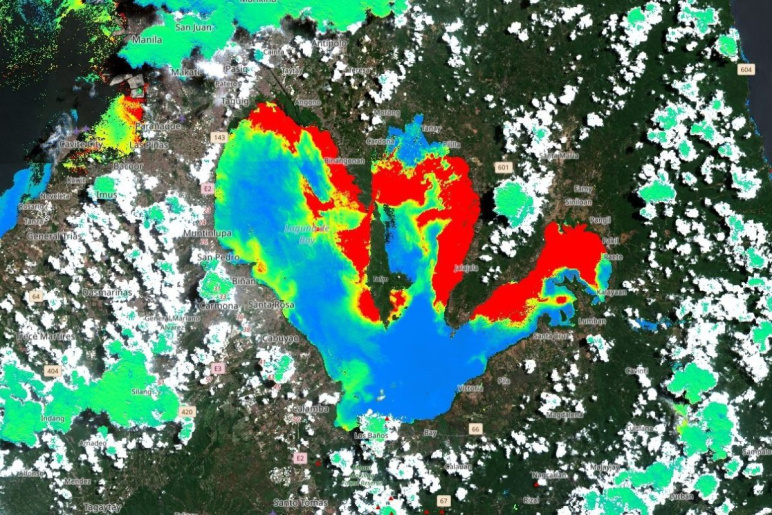
Satellite image showing spatial variability in algal biomass indicators across Laguna de Bay on June 15, 2026. Processed by de Vera in Copernicus
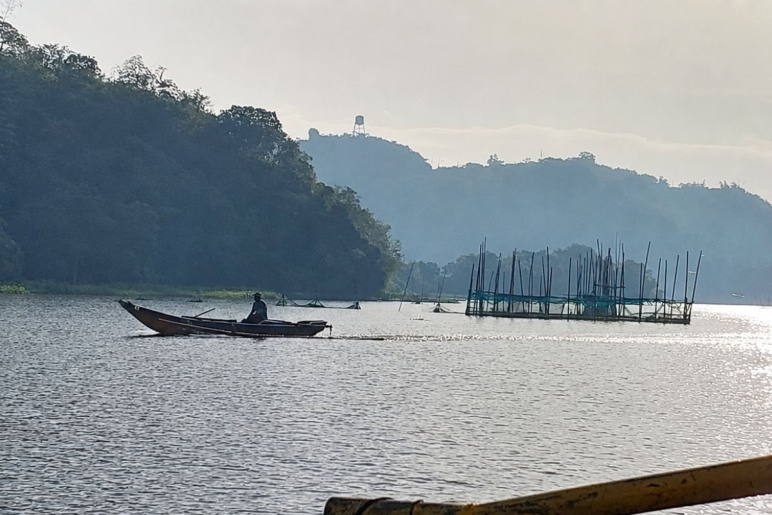
Laguna Lake in the Philippines supports aquaculture and local livelihoods, while also serving as an important water resource for surrounding communities. Photo credit: Pythias Espino
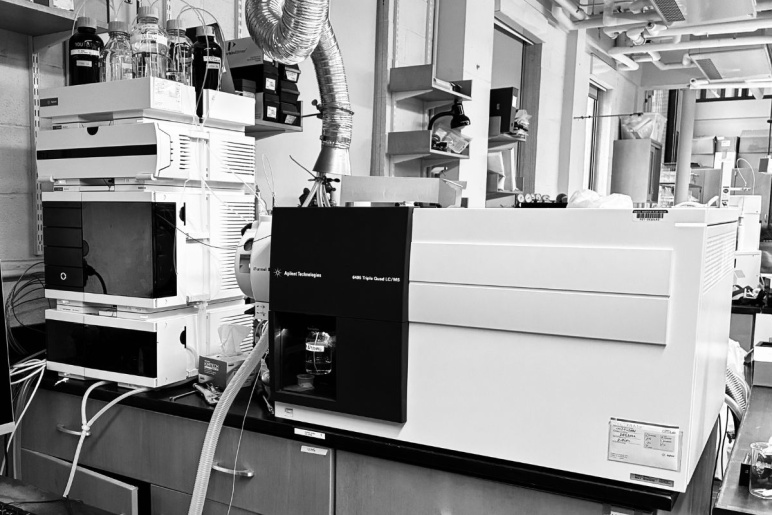
Liquid chromatography-mass spectrometry (LCMS) system will be used to analyze nitrosamine samples. Photo credit: de Vera
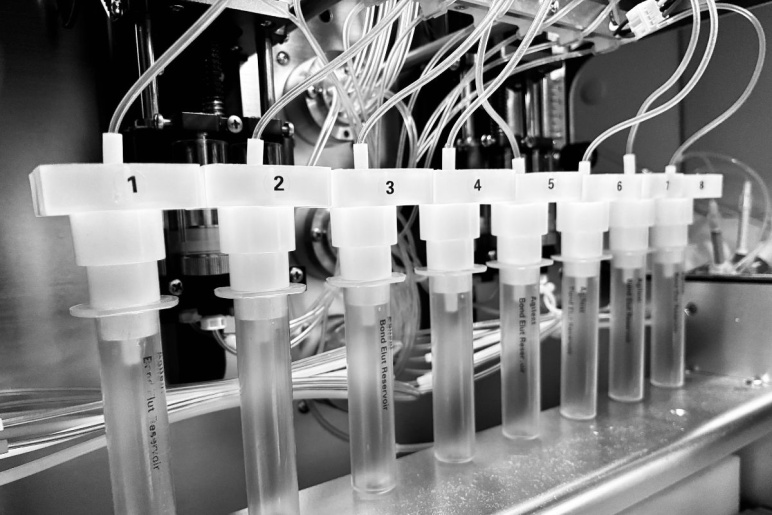
Solid-Phase Extraction (SPE) will be used to prepare water samples before LCMS. Photo credit: de Vera
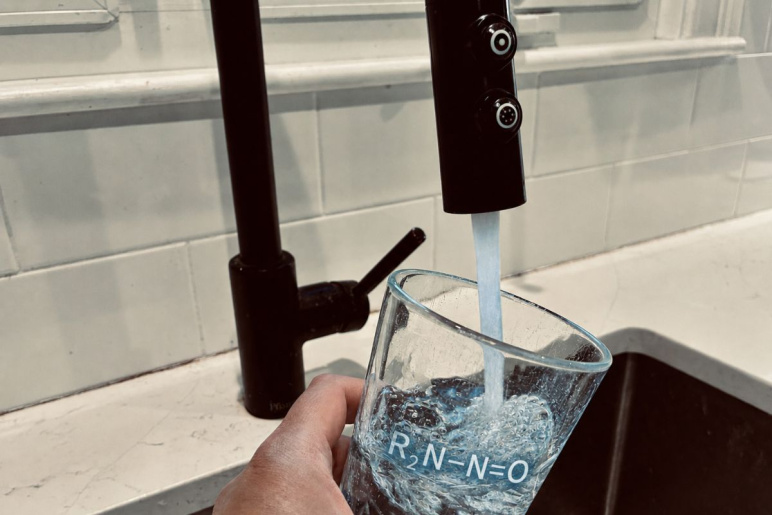
N-nitrosamines are contaminants that can form from nitrogen-rich wastes during environmental transport or drinking-water treatment. Photo credit: de Vera
Satellite image showing spatial variability in algal biomass indicators across Laguna de Bay on June 15, 2026. Processed by de Vera in Copernicus
Laguna Lake in the Philippines supports aquaculture and local livelihoods, while also serving as an important water resource for surrounding communities. Photo credit: Pythias Espino
Liquid chromatography-mass spectrometry (LCMS) system will be used to analyze nitrosamine samples. Photo credit: de Vera
Solid-Phase Extraction (SPE) will be used to prepare water samples before LCMS. Photo credit: de Vera
N-nitrosamines are contaminants that can form from nitrogen-rich wastes during environmental transport or drinking-water treatment. Photo credit: de Vera
Principal Investigators


Challenge:
Can agricultural runoff into Laguna Lake lead to the formation of toxic chemicals during drinking water treatment?
Research Strategy
- Sample Laguna Lake and agriculturally influenced tributaries during wet and dry seasons
- Partner with local experts to corroborate results with existing lake monitoring data and known agricultural inputs
- Measure nitrosamines and their formation potential using sample preparation at the University of the Philippines and analysis at MIT
- Identify hotspots and commonly measured water quality indicators that can guide monitoring, waste management, and treatment decisions
Project description
This grant will examine whether nitrogen-rich agricultural wastes entering Laguna Lake in the Philippines contribute to the formation of N-nitrosamines, a class of carcinogenic contaminants that can impact public health. Laguna Lake supports fisheries, irrigation, and drinking water uses for millions of people, while also receiving inputs from agriculture, urban areas, and industry. Animal waste and agricultural runoff are commonly evaluated through nutrients and microbial indicators, but they can also contain organic nitrogen that may form nitrosamines during environmental transport or drinking water disinfection.
The team will collect water samples from Laguna Lake and agriculturally influenced tributaries. Through local partnerships, the new measurements will be compared with existing lake monitoring data and site knowledge to better interpret agricultural inputs and seasonal patterns. Samples will be prepared at the University of the Philippines and analyzed at MIT using sensitive liquid chromatography and mass spectrometry methods for trace nitrosamines. The team will also test whether the water contains precursor chemicals that can form nitrosamines during chlorination.
By comparing nitrosamine occurrence and formation potential with routine water quality measurements, the project will develop a practical screening framework for identifying priority locations and water quality conditions. These results can support more targeted monitoring, animal waste management, runoff control, and water treatment decisions for Laguna Lake.

Additional Details
Impact Areas
- Water
Research Themes
- Water Purification & Desalination
- Sensors & Monitoring
- Water Resources & Infrastructure
- Equity & Access
Year Funded
- 2026
Grant Type
- Animal Ag Grant
Status
- Ongoing