
Our Research Redox electrodialysis metathesis systems for high-yield water recovery
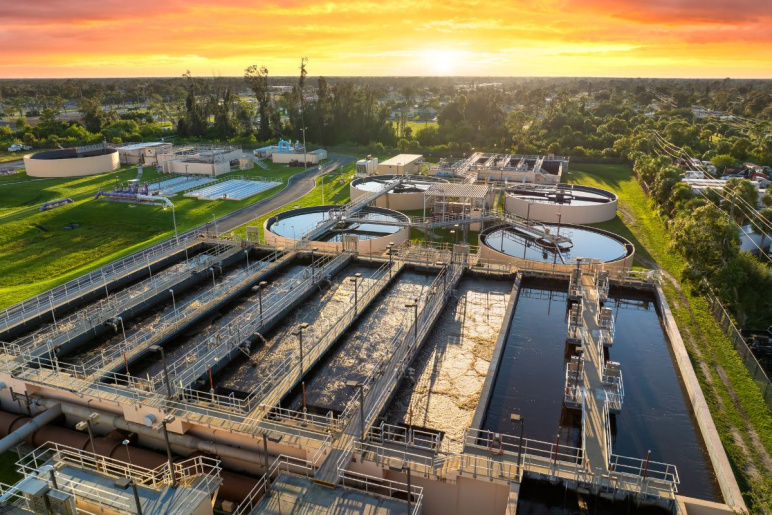
By 2030, global water demand is predicted to exceed sustainable supply by 40%. This project seeks to build a system that can work with existing reverse osmosis technologies at municipal water treatment facilities to increase freshwater recovery from brackish and saline sources.
Principal Investigator
Fikile Brushett
- Ralph Landau Professor of Chemical Engineering Practice
- Director of the David H. Koch School of Chemical Engineering Practice
- Department of Chemical Engineering
Fikile Brushett is the Ralph Landau Professor of Chemical Engineering Practice and the Director of the David H. Koch School of Chemical Engineering Practice. He leads a research group focused on advancing the science and engineering of electrochemical systems for energy storage, chemical manufacturing, and environmental remediation. Ultimately, he aims to develop guiding principles for the design of materials, processes, and devices that harness electrochemical phenomena.
Photo Credit: Lillie Paquette
Challenge:
How can we increase freshwater recovery from brackish and saline sources?
Research Strategy
- Remove sparingly soluble salts with selective membranes to reduce fouling
- Boost RO water recovery rates from 30-50% to over 90%
- Enable RO systems to handle heavily contaminated or high salinity feed water
Project description
The United Nations estimates that 27% of the global population is without access to safely managed drinking water. By 2030, global water demand is predicted to exceed sustainable supply by 40%. Reverse osmosis (RO) is the state-of-the art technology for recovering water from brackish to saline sources yet as the total dissolved solids of the water source increases, the efficiency of the RO process decreases, and the membrane becomes susceptible to fouling. To mitigate fouling, RO systems are operated at recovery rates between 30-50%, meaning 50-70% of the water fed into the system is wasted. To overcome these challenges, the research team proposes a redox electrodialysis metathesis (REM) system that couples with existing RO systems and boosts their water recovery rates to >90% across brackish to saline feedwaters. This represents a 2× increase in water production over conventional RO systems. With start-stop operation, the REM does not compromise the overall power, energy, and production rate of existing RO systems. The REM functions by desalting the RO concentrate and then recycling the stream back to the RO system for further processing. The REM’s doubling of throughputs for minimal energy increases significantly, reduces the capital and operational expenditure, and facilitates greater RO adoption by municipal water districts.
Additional Details
Impact Areas
- Water
Research Themes
- Water Purification & Desalination
- Water Resources & Infrastructure
Year Funded
- 2026
Grant Type
- Seed Grant
Status
- Ongoing