
News Building bridges across dryland research: J-WAFS at the GEAR Center-ICARDA Workshop
Daniela Giardina, PhD, J-WAFS Executive Director April 8, 2026
On March 16th, together with Prof. Rohit Karnik, I joined colleagues from the K. Lisa Yang Global Engineering and Research (GEAR) Center and the MIT Climate Project for a two-day workshop with a delegation from the International Center for Agricultural Research in the Dry Areas (ICARDA). The goal was to figure out where MIT and ICARDA could work together on water, energy, and food challenges in dryland regions, particularly across the Middle East and North Africa.
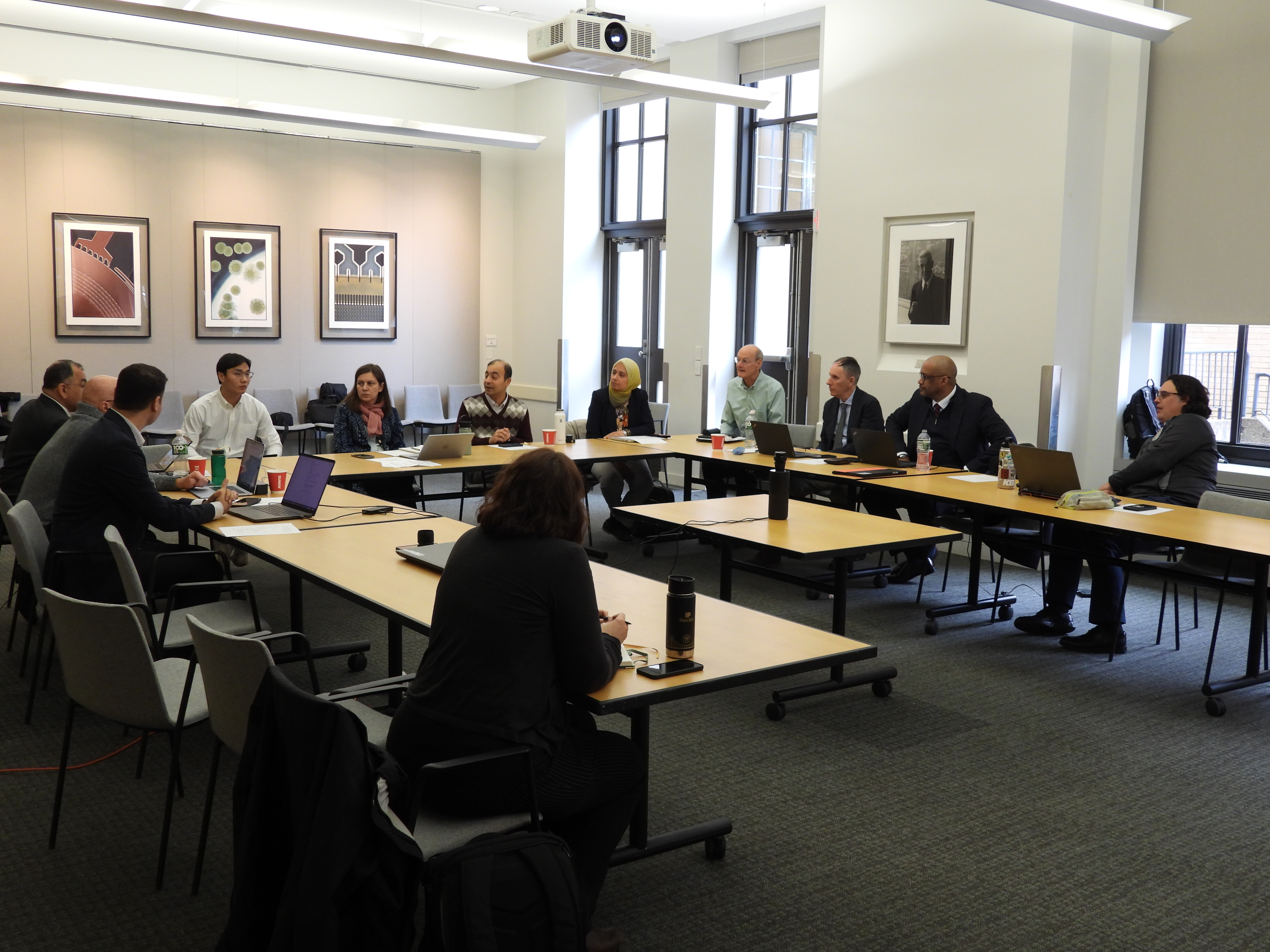
The MIT researchers in the room presented on membranes, microfluidics, atmospheric water harvesting, soil biopolymers, AI-driven irrigation, and systems modeling. But then the conversation shifted once ICARDA started sharing field realities. They work every day with farmers and national agricultural systems across Jordan, Morocco, Egypt, and beyond, and they highlighted the challenges they see in the field: how do you produce freshwater in regions that are physically water-scarce? How do you improve water and nutrient retention in sandy soils? How do you build drought decision-support tools that go beyond forecasting to tell farmers what to actually do? How do you bring robotics, AI, and automation to smallholder agriculture in a way that is affordable and works at scale? Across all of it, the ICARDA team emphasized the need for technologies appropriate to each context, with a low environmental footprint, and realistically deployable. The question changed from "what can we do?" to a series of questions: what are the needs of farmers, what actually gets adopted, and what are the enabling conditions?
GEAR Center and J-WAFS bring different things to these issues. GEAR Center has deep engineering expertise and over 10 years of field pilots with ICARDA. J-WAFS spans a wider range of the MIT research community and has spent eleven years building connections across water and food systems research at the Institute. The opportunity I see is in combining those two using J-WAFS' network to bring more MIT researchers into contact with the kinds of grounded, field-defined problems that ICARDA tackles.
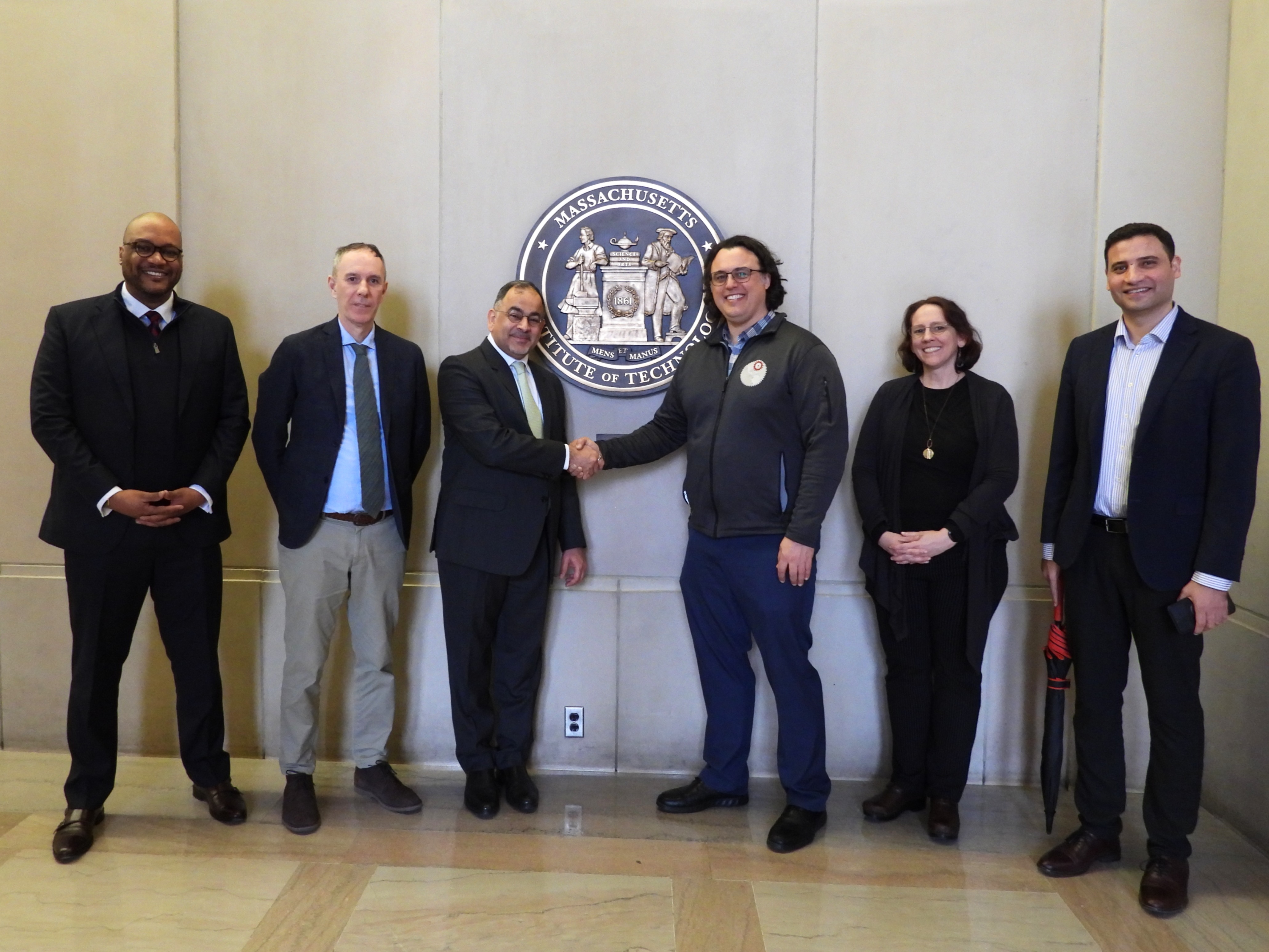
Beyond the research collaboration, J-WAFS and ICARDA are also exploring how to work together toward the UN Water Conference at the end of 2026—an opportunity to bring this kind of grounded research perspective into the international policy conversation.
I am grateful to the GEAR Center for building this and for including J-WAFS. For us, this is part of something we are thinking hard about as we look toward J-WAFS' next decade: how do we make sure MIT researchers are working on problems that matter, defined by people who are living them?