
News Barrio de Paz, La Pista: where land has no owner
Article: Daniela Giardina, J-WAFS executive director Photography: Sofia Rutman, J-WAFS communications and program assistant March 18, 2026
This year's World Water Day theme “Water and Gender” comes with a quietly devastating statistic: in 53 countries with available data, women and girls spend 250 million hours per day collecting water. More than three times the burden carried by men and boys. The water crisis is not only an infrastructure problem, but one that lands hardest on those already carrying the most burden.
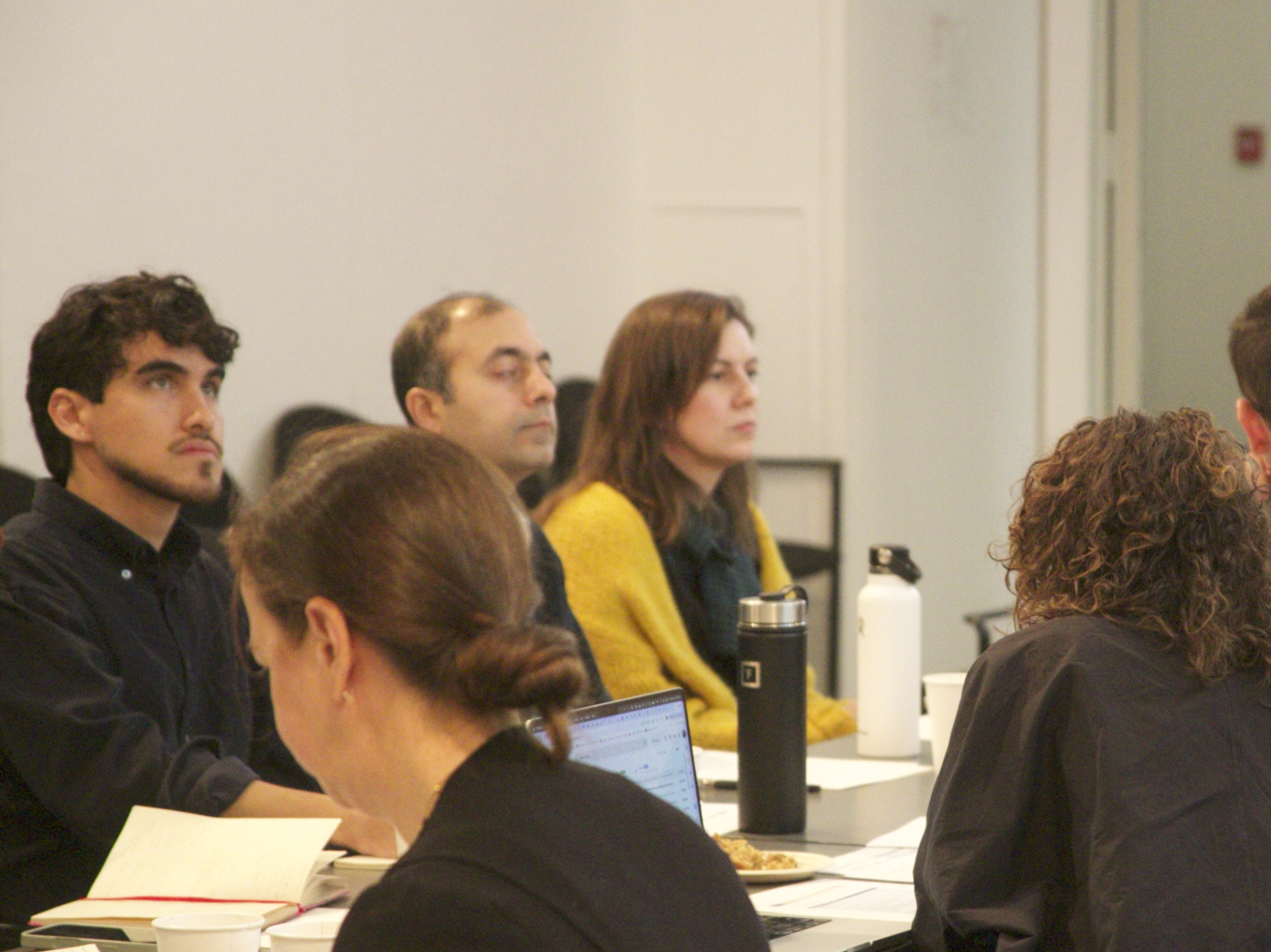
I thought about that figure during a workshop I attended on 6th March here at MIT, part of a J-WAFS funded research project on water, sanitation, and flooding in one of Colombia's most vulnerable communities.
La Pista
La Pista (which in Spanish means 'runway') is a settlement built on the abandoned runway of Maicao's former airport, in La Guajira—Colombia's northernmost region, a few kilometers from the Venezuelan border. According to a 2024 community census, 9,191 people live there, among them migrants and refugees, Colombian nationals, and Indigenous people, mostly Wayúu. More than half are children and teenagers. There is no running water, no sewage system, no electricity grid.
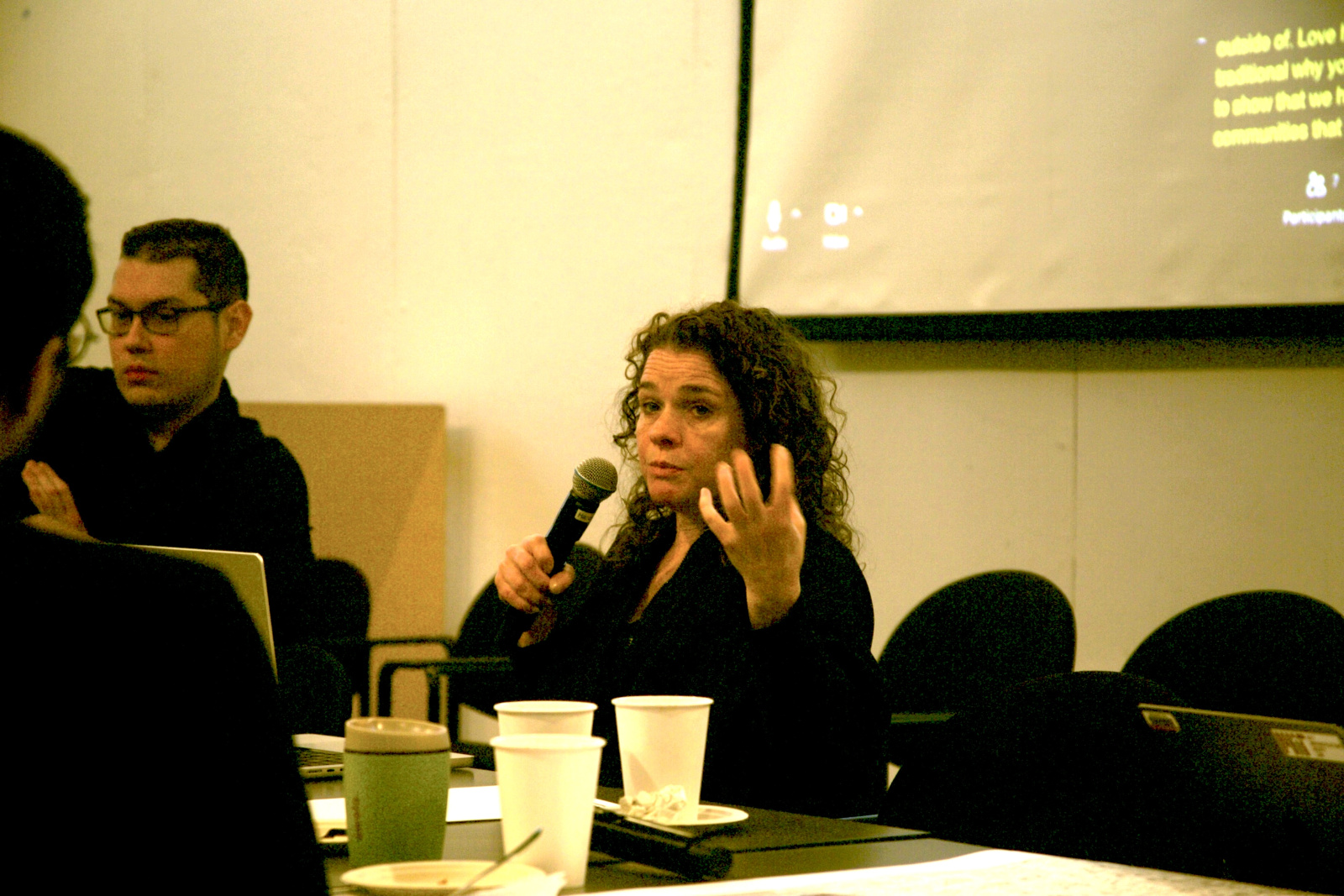
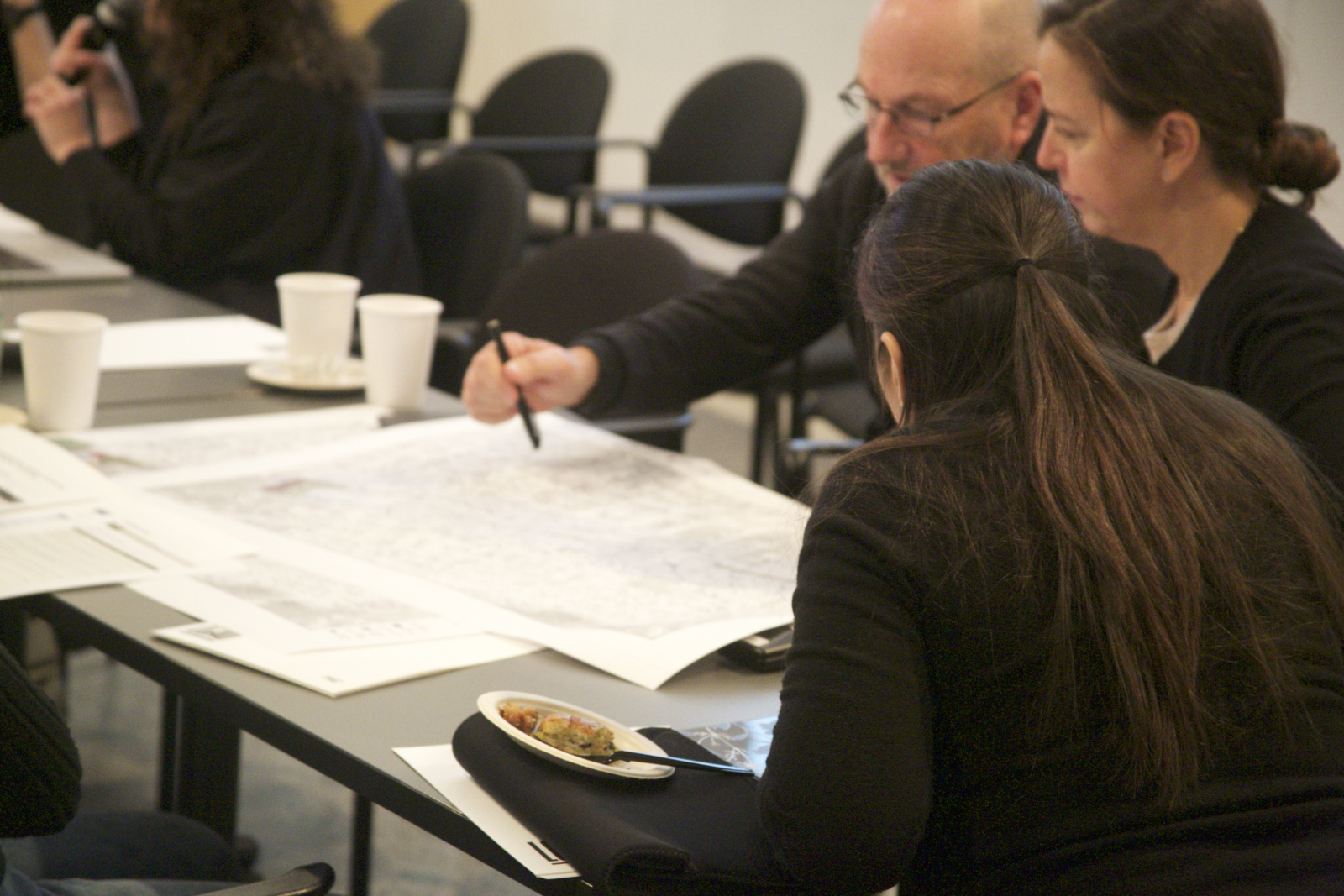
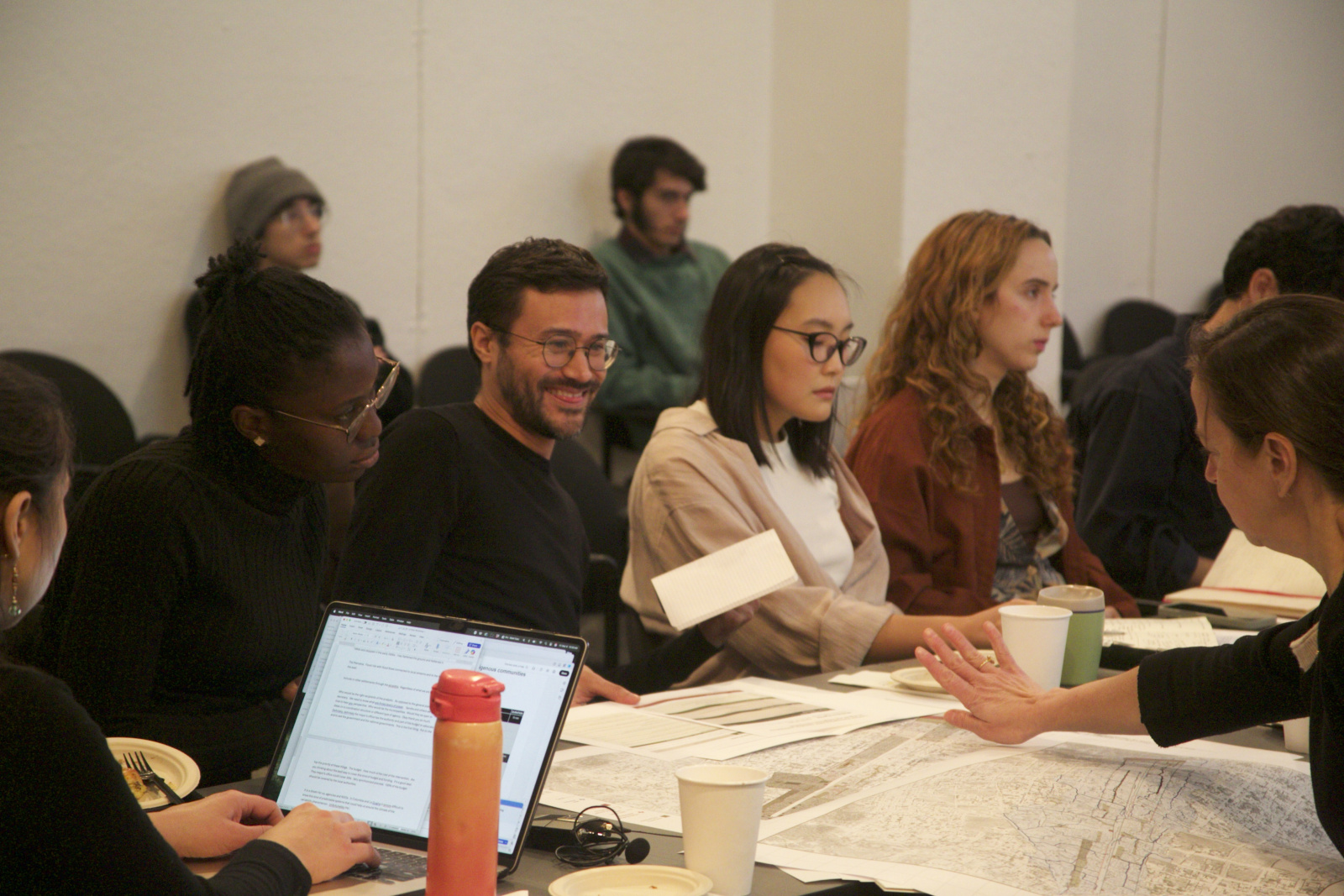
J-WAFS has been supporting a research project led by the MIT Norman B. Leventhal Center for Advanced Urbanism (LCAU) and MIT's Department of Urban Studies and Planning, in collaboration with WFP Colombia. On March 6, 2026, the team convened a workshop at MIT titled “Barrio de Paz, La Pista: Reimagining Water, Sanitation and Flooding in Migrant and Indigenous Communities.” The workshop brought together field partners from Colombia, WASH specialists, and international researchers to stress-test findings and begin refining strategies. The workshop was supported by Rorra, a water filtration company, through a grant J-WAFS awarded via an open call.
What the Research Found
Before proposing any solutions, the LCAU/WFP team spent months building a rigorous picture of conditions on the ground by combining a household survey across all 12 manzanas (blocks) of the settlement with drone mapping, digital elevation modelling, water runoff analysis, and participatory mapping exercises in which residents drew their own understanding of their neighborhood onto aerial photographs.
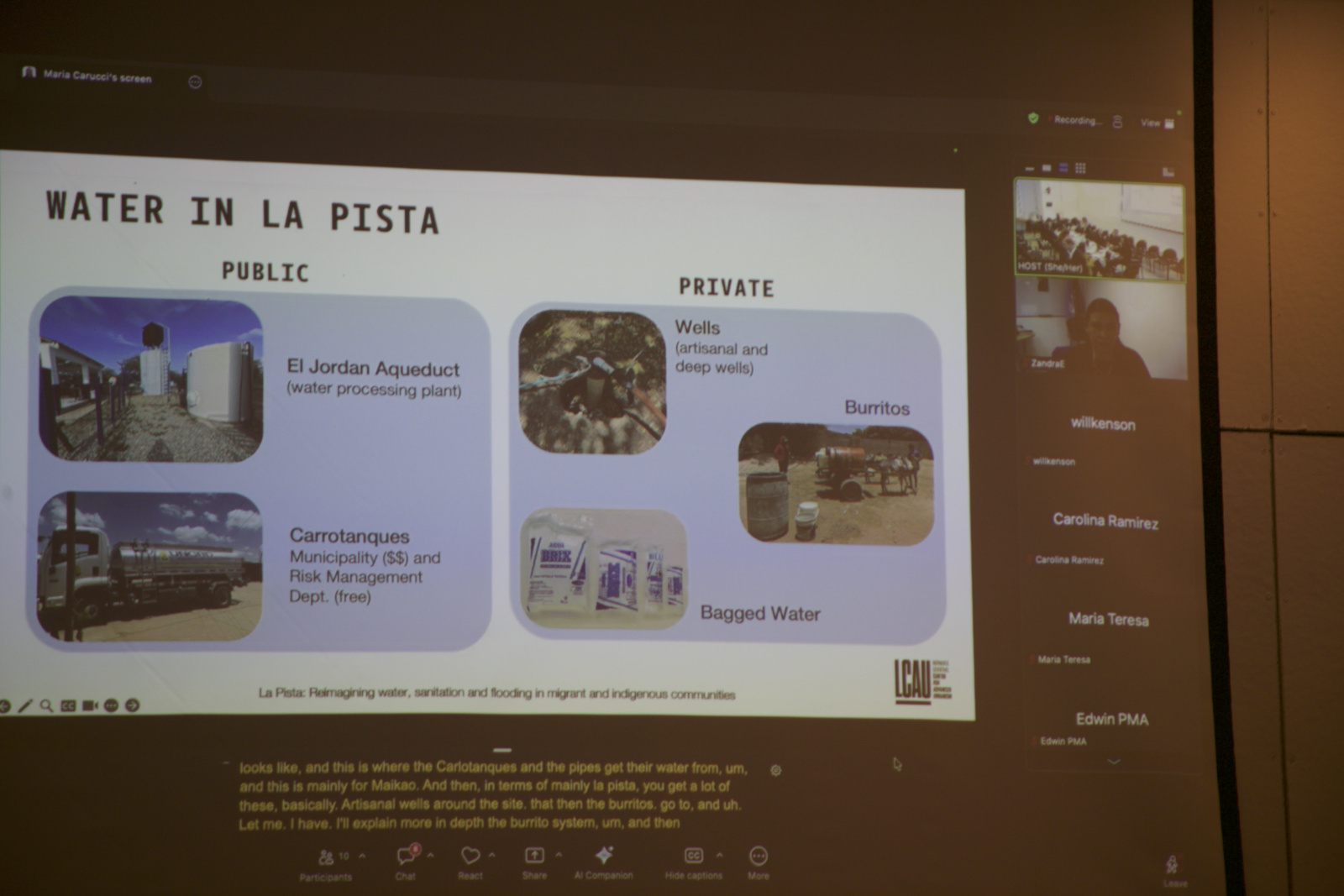
The findings are stark. Water reaches most households through burritos (donkey carts) hauling barrels from artisanal wells or through purchased bagged water, at a cost that consumes a significant share of monthly household income, well above international affordability benchmarks. Access to clean water and sanitation is a human right, enshrined in SDG 6 of the UN's global development agenda. At La Pista, that right remains out of reach. The majority of households do not apply any treatment to the water they drink. Flooding affects nearly three quarters of the settlement, with many households experiencing multiple flood events per year. Flooding and sanitation failures compound each other: a large share of latrines is damaged during flood events, and over half of households dispose of wastewater on open terrain.
These are not abstract statistics. They describe a community where children are growing up drinking untreated water, where physical infrastructure must be rebuilt after every rainy season, and where the same flood event that inundates a home simultaneously destroys its sanitation.
The Land Paradox
In September 2025, Maicao's municipality declared La Pista a Barrio de la Paz—a Peace Neighborhood—committing the state to improving housing conditions, advancing urban regularization, and expanding access to basic services. It was a meaningful recognition. But as the WFP Colombia team explained at the workshop: the declaration does not resolve land ownership, and updating the zoning could take years. The ground beneath La Pista is state land. The people living on it have no legal title.
Without formal tenure, utilities have no legal basis to extend infrastructure, and residents have little incentive, and in some cases no legal right to invest in permanent improvements. The Barrio de la Paz designation opens a door, but the rigorous data documentation the LCAU/WFP team has assembled is itself part of the advocacy strategy, building the evidence and data needed to push the municipality toward zoning updates that would allow infrastructure to follow.
Learning from the Wayúu
The Wayúu, who make up a significant portion of La Pista's population, have survived for centuries in one of the harshest environments in South America: arid, hot, seasonally flooded, chronically scarce of safe water. A large majority of the indigenous population harvests rainwater from roof runoff during the rainy season, a practice developed over generations that predates any external intervention. The team also documented the use of crushed cuji cactus seeds as a natural flocculant for water clarification which is a low-cost, locally available treatment method now being explored as part of the household-scale water treatment strategy.
What distinguished the workshop discussion was the explicit treatment of Wayúu practices as legitimate technical and ecological knowledge to be integrated into the co-design framework.
Designing With, Not For
The research question driving the whole project asks how a transdisciplinary, co-design approach can generate recommendations for sustainable water, sanitation, and flooding mitigation that align with the cultural practices of Indigenous Wayúu and migrant communities. The March workshop brought Colombian field partners into conversation with international specialists to refine strategies against real experience.
What the workshop made clear is that the stakeholders’ engagement is exceptional, together with the quality of data collected. What La Pista needs now is the institutional scaffolding to translate knowledge into action. The withdrawal of funding has left three NGOs where there were twenty-eight. The needs remain the same.
This year’s World Water Day theme is water and gender: At La Pista, it is primarily women who manage daily water rationing, who the LCAU team interviewed about water quality and access, and whose knowledge, including the Wayúu practices of rainwater harvesting and natural water treatment, is at the center of the solutions being designed.
The next step is a co-design workshop in Colombia where residents themselves will shape the final recommendations. I cannot wait to see what the LCAU team, WFP, and the people of La Pista come up with together.
If you want to know more about the project, click here.